

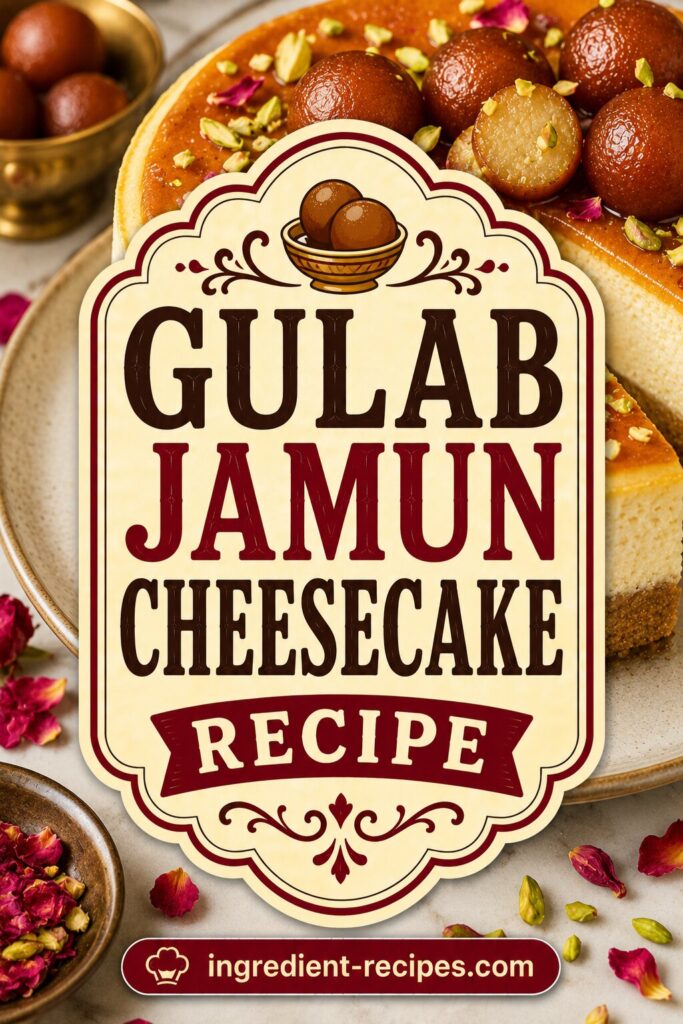
Modern dessert makers constantly seek innovative flavor marriages that bridge cultural baking traditions. Among these magnificent culinary crossovers, few creations command as much adoration as the ultimate Indian fusion cake. The Gulab Jamun Cheesecake Recipe replicates a breathtaking festive centerpiece, which home bakers praise for its silky cream cheese body, aromatic cardamom undertones, and hidden layers of saffron-soaked milk dumplings. This specific preparation uses a unique cold-set or baked technique to encase sweet, syrupy South Asian confections inside a rich Western cream cheese matrix, offering a luxurious texture that satisfies multiple palates simultaneously.
The historical importance of this recipe reflects the rise of global diaspora baking and festive fusion cuisine during the early twenty-first century. Gulab jamun traces its roots back to medieval Persia and ancient India, where cooks fried milk-solid dough balls and steeped them in rosewater-infused sugar syrup. Conversely, the classic cream cheese cake represents a cornerstone of modern New York pastry craft. Chefs in urban food hubs blended these two worlds to create a celebratory treat for major holidays like Diwali and Eid. Because the tangy profile of cream cheese naturally balances the intense sweetness of the fried dough balls, this dessert became an instant viral sensation. Crafting this restaurant-grade masterpiece in your home kitchen allows you to stun your dinner guests and present a brilliant conversation starter at your next holiday gathering.
Gulab Jamun Cheesecake Recipe Ingredients
To build this elegant, multi-layered fusion masterpiece from scratch, gather these essential crust elements, dairy bases, and sweet confections:
- 1 and 1/2 cups Parle-G or Graham cracker crumbs, finely crushed
- 1/4 teaspoon ground cardamom
- 5 tablespoons unsalted butter, melted completely
The Velvety Cardamom Cream Filling
- 16 ounces brick cream cheese, softened to room temperature
- 1 cup heavy whipping cream, chilled
- 1/2 cup granulated white sugar
- 1 teaspoon pure vanilla extract
- 1/2 teaspoon ground green cardamom seeds
- 1 tablespoon unflavored gelatin powder dissolved in 3 tablespoons warm water (for the no-bake method)
- A few generous strands of saffron, steeped in 1 tablespoon warm milk
The Sweet Center and Decorative Toppings
- 12 to 15 small prepared gulab jamuns, drained thoroughly of excess sugar syrup
- 2 tablespoons pistachios, finely slivered
- 1 tablespoon dried edible rose petals
Gulab Jamun Cheesecake Recipe Instructions and Steps
Combine the finely crushed Parle-G cookie crumbs, ground cardamom, and melted unsalted butter in a medium mixing bowl. Stir the mixture thoroughly until the crumbs resemble wet sand. Press the buttery crumbs firmly into the bottom of an 8-inch springform pan using the flat bottom of a drinking glass to form a tight, even crust layer. Slide the pan into your refrigerator for 20 minutes to let the butter fat solidify completely.
Step 2: Dissolving the Gelatin Binder
Sprinkle the unflavored gelatin powder evenly over three tablespoons of warm water in a small heatproof bowl. Let the mixture sit undisturbed for 5 minutes until the powder blooms and thickens, then stir the liquid gently to ensure a completely smooth texture free of lumps.
Step 3: Whipping the Cream Cheese Matrix
Place the softened brick cream cheese and granulated white sugar into a large mixing bowl. Beat the ingredients together on medium speed for 3 to 4 minutes using a hand mixer or stand mixer until the dairy turns smooth, creamy, and free of hidden lumps.
Step 4: Infusing the Royal Aromatics
Pour the warm saffron milk, ground green cardamom seeds, and pure vanilla extract directly into the cream cheese cream, mixing for 1 minute on low speed. Drizzle the warm, bloomed gelatin liquid into the filling stream steadily, whisking continuously to distribute the setting agent uniformly.
Step 5: Aerating the Heavy Cream
Pour the chilled heavy whipping cream into a separate cold glass bowl. Beat the cream on high speed for 3 minutes until stiff peaks form, then gently fold the airy whipped cream into your fragrant saffron cream cheese base using a flexible silicone spatula to preserve the light texture.
Step 6: Placing the Sweet Treasures
Retrieve your chilled crust from the refrigerator. Cut your drained gulab jamuns in half or leave them whole depending on your preference. Arrange the milk dumplings in a uniform circular pattern directly across the surface of the hardened cookie crust, keeping them slightly away from the side walls of the pan.
Step 7: Pouring and Smoothing the Filling
Spoon the velvety cream cheese filling carefully over the arranged gulab jamuns, ensuring the cream fills all the empty gaps between the round balls. Smooth the top face of the cake elegantly using an offset spatula to create a flat, pristine surface.
Step 8: The Extended Cold Setting Phase
Cover the springform pan gently with a sheet of plastic wrap. Slide the dessert into your refrigerator and let it chill undisturbed for at least six to eight hours, though leaving the cake inside the fridge overnight yields the absolute cleanest slices.
Step 9: Garnishing and Release
Run a thin paring knife carefully along the interior rim of the springform pan right before serving, then release the latch to remove the collar. Scatter the slivered pistachios and dried edible rose petals beautifully across the top surface of the cake, slice into wedges, and serve cold.
Essential Tips for Gulab Jamun Cheesecake Recipe
- Drain the Dumplings Extensively: Make sure you press your gulab jamuns gently between paper towels to remove excess sugar syrup before placing them on the crust. Excess wet syrup will leak into the surrounding cream cheese filling, turning the base watery and preventing the cake from setting cleanly.
- Soften the Cream Cheese Completely: Always let your brick cream cheese sit on the counter until it achieves a true room temperature. Cold cream cheese will refuse to blend smoothly, creating tiny, stubborn white lumps throughout your batter that ruin the velvety mouthfeel.
- Incorporate the Gelatin Gradually: Ensure your bloomed gelatin liquid remains warm when you introduce it to the cream cheese. Pouring cold gelatin into the mix can cause it to solidify instantly on contact, resulting in an unpleasantly rubbery and stringy texture inside your cake.
Fusion Pastry Component and Operational Map
This structured reference table displays the technical purpose and sensory contribution of each distinct ingredient layer within this Indian festive creation:
| Cake Layer | Key Component | Technical Baking Purpose | Final Sensory Result |
| The Base Crust | Parle-G Cookie Crumbs | Supplies a firm, spiced foundation | Crunchy, buttery snap that offsets the soft cream |
| The Fusion Surprise | Fried Milk Dumplings | Adds concentrated sugar and density | Rich, syrupy, and decadent berry-sized treasures |
| The Filling Core | Saffron Cream Cheese | Traps air bubbles and provides structural weight | Tangy, smooth, and aromatic custardy mouthfeel |
| The Regal Crown | Slivered Pistachios & Roses | Decorates the face and adds organic textures | Festive, high-end look with a delicate nutty crunch |
Customization and Pairing Ideas
Creative Dessert Variations
- The Baked New York Style Variant: Omit the gelatin entirely, add two large eggs to the cream cheese mixture, and bake the cake in a water bath at 325 degrees Fahrenheit for 50 minutes to achieve a dense, traditional baked texture.
- The Thandai Fusion Spice Twist: Whisk two tablespoons of commercial thandai masala powder into the filling cream to introduce warm background notes of fennel seeds, black pepper, and almonds.
This magnificent dessert functions as an extraordinary grand finale for grand family dinner parties or traditional Indian holiday feasts. Pair the rich cake with a selection of light, savory snacks that contrast nicely with the sweet profiles.
Serve a wedge next to spicy vegetable samosas, crispy pakoras, or roasted nuts. For beverage pairings, complement the floral cardamom aromas with a hot mug of spiced masala chai, a cup of strong espresso, a chilled glass of mango lassi, or a sweet dessert wine like a late-harvest Riesling.
Storage and Reheating
Maintaining Freshness
Because this dessert contains high volumes of fresh dairy products, you must always store it inside a cold environment. Place the completed cake or individual leftover wedges inside an airtight plastic cake keeper. Keep the container secured in the main section of your refrigerator, where it will remain fresh, safe, and delicious for up to four to five days.
You can also wrap un-garnished individual slices tightly in plastic wrap and freeze them for up to two months, thawing them in the fridge overnight before serving.
Serving Leftover Portions
This cold-set dessert tastes absolute best when enjoyed straight out of the refrigerator while the cream cheese matrix maintains its firm, refreshing structure. Never apply microwave heat or oven energy to this no-bake recipe, as the setting agents will melt instantly, transforming your gorgeous layered cake into a sweet liquid soup.
Alternatives, Substitutes, and Similar Dishes
- Rasmalai Tres Leches Cake: A popular alternative fusion cake that soaks a light sponge layer in cardamom-scented saffron milk, topped with flattened cottage cheese patties.
- Gajar Halwa Carrot Cake: A warm, comforting substitute that layers traditional sweet grated carrot pudding alongside classic vanilla bean cream cheese frosting.
- Classic No-Bake Mango Cheesecake: A lighter, tropical fruit option that replaces the fried milk dumplings with a glossy layer of sweet Alphonso mango puree glaze.
Why did my no-bake cake turn out soft and difficult to slice?
A soft texture usually means your gelatin did not bloom completely, or you did not let the cake chill long enough in the refrigerator. Ensure you give the dessert a full six to eight hours inside a cold fridge to lock the structural fats.
Can I use low-fat cream cheese for this fusion recipe?
You should avoid low-fat or spreadable tub cream cheese options. Full-fat brick cream cheese contains the essential fat solids required to hold a firm, stackable structure when set without turning watery.
Where can I source ready-made gulab jamuns?
You can easily find prepared gulab jamuns in tin cans or fresh sweet boxes at any local South Asian grocery store, international supermarket aisle, or through online specialty food retailers.
How do I make this dessert completely vegetarian friendly?
Traditional gelatin utilizes animal byproducts. To transform this recipe into a 100 percent vegetarian dessert, simply substitute the gelatin powder with an equal quantity of plant-based agar-agar powder or choose the baked variation.
Can I use standard digestive biscuits for the crust foundation?
Yes, classic digestive biscuits, graham crackers, or ginger snap cookies work beautifully as a crust base if Parle-G cookies are unavailable in your local market area.
Summary
The Gulab Jamun Cheesecake Recipe offers an extraordinarily rewarding, straightforward way to craft a spectacular East meets West fusion masterpiece right on your kitchen counter. Compacting crushed Parle-G cookies with melted butter creates a spiced, crunchy foundation that holds its shape beautifully. Beating softened full-fat cream cheese with sugar, saffron milk, and aromatic cardamom builds a rich, velvety dairy filling. Arranging sweet, well-drained milk dumplings across the crust before pouring the creamy batter ensures every single wedge reveals a hidden confection treasure, yielding a magnificent, restaurant-grade holiday treat that delights everyone at your table.
References
- To explore traditional Indian sweet history, festive menu designs, and cultural holiday recipes, check out the Ministry of Culture Indian Culinary Archive.
- For comprehensive culinary science regarding gelatin blooming, fat structures, and managing stable dairy emulsions, review the guides on the Serious Eats Pastry Science Center.
- To learn more about modern fusion mixology, international dessert pairings, and food safety scales, explore the resources on the Culinary Institute of America Learning Portal.


