

Few dining experiences match the interactive, hands-on joy of a modern Cajun-Asian fusion seafood feast. The Angry Crab Seafood Boil Recipe captures the sensory explosion made famous by legendary seafood shacks, where guests don plastic bibs, dump steaming bags of shellfish directly onto butcher paper, and dig in with their bare hands. While traditional Louisiana crawfish boils rely on a heavily seasoned water bath to infuse the shellfish, the modern fusion style turns up the volume. Chefs toss the freshly steamed ocean treasures in a rich, emulsion-style sauce loaded with massive quantities of minced garlic, sweet butter, and a fiery blend of spices.
Food historians track this iconic culinary mashup back to the early 2000s, when Vietnamese immigrants settled along the Gulf Coast of the United States. These cooks blended traditional French-Cajun boiling methods with bold Asian aromatics like lemongrass, ginger, and sweet citrus. The Angry Crab style honors this cross-cultural legacy by coating sweet crab legs, plump shrimp, and snappy sausages in a thick, finger-licking glop of spicy garlic butter sauce. Preparing this spectacular feast at home allows you to control the heat levels perfectly while saving a significant amount of money compared to market-price restaurant bills.
Angry Crab Seafood Boil Recipe Ingredients
To execute this spectacular backyard feast successfully, gather these fresh oceanic proteins, hearty fillers, and dynamic sauce components:
The Seafood and Feast Fillers
- 2 pounds snow crab legs or king crab clusters, thawed and rinsed
- 2 pounds large head-on or headless shrimp, deveined but shell-on
- 1 pound smoked andouille sausage, sliced crosswise into one-inch rounds
- 4 ears fresh sweet corn, shucked and broken in half
- 1 pound small red creamer potatoes, scrubbed thoroughly
- 2 large lemons, cut into thick wedges (plus extra for serving)
The Boiling Aromatics Water Bath
- 1/2 cup Old Bay seasoning or Zatarain’s liquid crab boil
- 1 large yellow onion, peeled and quartered
- 1 head garlic, cut in half horizontally
The Legendary Angry Crab Garlic Butter Sauce
- 4 sticks (1 pound) unsalted butter (do not substitute with margarine)
- 1/2 cup fresh garlic cloves, finely minced (about 2 whole heads)
- 2 tablespoons Old Bay seasoning
- 2 tablespoons Cajun or Creole spice blend
- 1 tablespoon lemon pepper seasoning
- 1 tablespoon granulated sugar
- 1 tablespoon cayenne pepper (reduce for mild heat, double for extra fiery)
- 1 tablespoon fresh lemon juice
Angry Crab Seafood Boil Instructions and Steps
Step 1: Prepping the Master Stock Pot
Fill a massive 16 to 20-quart stockpot with approximately 2 gallons of water, ensuring you leave enough room at the top to prevent bubbling over. Toss in the quartered yellow onion, halved head of garlic, and a half cup of Old Bay seasoning. Crank the heat to high and bring the liquid to a rolling, aggressive boil.
Step 2: Cooking the Hearty Vegetables
Drop the whole red creamer potatoes into the boiling aromatic broth. Cook the potatoes for 12 to 15 minutes until they feel slightly tender when poked with a fork. Next, add the sliced andouille sausage pieces and the sweet corn halves to the pot, boiling everything together for an additional 8 minutes.
Step 3: Steaming the Shellfish
Add the thawed crab legs into the boiling pot first, pushing them gently beneath the surface, and let them cook for 5 minutes. Finally, drop in your raw, shell-on shrimp. Boil the entire mixture for 3 more minutes until the shrimp flesh turns perfectly opaque and pink, then turn off the heat completely.
Step 4: Draining and Trapping Heat
Carefully pour the contents of the heavy stockpot into a large colander over your sink to drain away the water completely. Alternatively, use a large slotted spoon or metal spider to transfer the steaming seafood, corn, potatoes, and sausage into a large heat-proof bowl or a heavy-duty food-grade plastic oven bag. Cover the container to trap the steam while you whip up the hot sauce.
Step 5: Melting the Butter Foundation
Melt all four sticks of unsalted butter in a medium saucepan over medium-low heat. Keep a close eye on the pan to ensure the butter solids melt gently without browning or burning, which ruins the velvety emulsion.
Step 6: Sautéing the Garlicky Base
Stir your massive pile of minced garlic directly into the melted butter. Cook the garlic gently for 2 to 3 minutes, stirring constantly with a wooden spoon. You want the garlic to soften completely and perfume your entire kitchen without letting the pieces turn brown, as overcooked garlic tastes bitter.
Step 7: Blooming the Spice Blend
Turn the stove heat down to low. Whisk in the Cajun seasoning, extra Old Bay, lemon pepper, sugar, cayenne pepper, and fresh lemon juice. Simmer the thick sauce for 2 minutes to bloom the ground spices, letting the oils release their full aromatic potential into the sweet fat.
Step 8: The Angry Toss and Feast
Pour the hot garlic butter sauce directly over your drained seafood and vegetable mixture. Toss the ingredients vigorously using large tongs, or tie the plastic bag securely and shake it thoroughly to coat every single crevice in the spicy glaze. Dump the entire doused feast onto a table lined with clean butcher paper, scatter fresh lemon wedges over the top, and serve immediately with plenty of napkins.
Essential Tips for Angry Crab Seafood Boil
- Always Keep Shrimp Shell-On: Do not peel your shrimp before boiling them. The outer shells act as a natural armor that prevents the delicate seafood from overcooking, while simultaneously trapping the delicious garlic butter sauce when you peel them at the table.
- Thaw Crab Legs Completely: Ensure your crab clusters thaw completely in the refrigerator before dropping them into the pot. Boiling frozen crab drops the water temperature instantly, which leads to mushy meat and unevenly cooked potatoes.
- Control Garlic Heat Genuinely: If you want a smoother, less pungent garlic flavor, mince the cloves very finely or use a garlic press. Coarsely chopped garlic leaves powerful, raw bits behind that can overwhelm individual bites.
Seafood Boil Timing and Composition
This handy reference table helps you organize your cooking schedule so every ingredient reaches peak texture at the exact same moment:
| Ingredient | Preparation Style | Optimal Boiling Time | Visual Doneness Indicator |
| Red Creamer Potatoes | Whole, scrubbed clean | 15 minutes | Fork-tender in the center |
| Andouille Sausage | One-inch thick rounds | 8 minutes | Plumped and heated through |
| Sweet Corn | Shucked, cut in half | 8 minutes | Bright yellow and tender kernels |
| Snow Crab Legs | Thawed, rinsed | 5 minutes | Shells turn bright orange-red |
| Large Shrimp | Shell-on, deveined | 3 minutes | Opaque flesh, tightly curled C-shape |
Customization and Pairing Ideas
- The Low-Country Upgrade: Introduce fresh littleneck clams, green-lipped mussels, or whole lobster tails during the final minutes of boiling to create a truly luxurious, multi-species ocean extravaganza.
- The Sweet Citrus Punch: Squeeze fresh orange and lime juice into the butter mixture alongside the lemon to introduce a bright, tropical, and highly refreshing Vietnamese-style twist.
- Pairing Selections: Contrast the rich, oily heat of this finger-licking bake by serving it alongside a basket of warm garlic bread for mopping up extra sauce, or a cold, crisp cucumber salad. Wash everything down with a frosty mug of pale ale, an ice-cold pilsner, or a large pitcher of refreshing lemonade.
Storage and Reheating
Refrigerating the Feast
Pack any remaining seafood, sausage, and vegetables into an airtight plastic container, pouring any leftover garlic butter sauce over the top to keep the meat moist. Store the containers in your refrigerator for up to two days.
Freezing Restrictions
Avoid freezing the leftovers of a seafood boil. Re-freezing previously thawed crab and cooked shrimp degrades the protein fibers severely, making the seafood incredibly rubbery and unappetizing upon thawing.
Reheating Safely to Avoid Rubbery Meat
Do not use a microwave because it overcooks delicate seafood instantly, turning sweet shrimp into tough rubber beads. Instead, place the leftovers into a baking dish, splash two tablespoons of water or chicken broth over the top, cover the pan tightly with aluminum foil, and warm it in a 325 degree Fahrenheit (160 degree Celsius) oven for 10 to 12 minutes until the butter melts back into a liquid glaze.
Alternatives, Substitutes, and Similar Dishes
- Traditional Low-Country Boil: Often called Frogmore Stew, this historic South Carolina classic skips the heavy garlic butter coating entirely, relying instead on a simple vinegar, beer, and Old Bay water bath to flavor the shrimp and sausage.
- New England Clam Bake: A traditional northeastern beach assembly that steams soft-shell clams, lobsters, mussels, and potatoes over layers of wet seaweed on heated rocks, delivering a clean, intensely briny ocean flavor profile.
- Cajun Crawfish Etouffee: A rich, smothered Louisiana stew that cooks succulent crawfish tails or shrimp inside a dark blonde roux with celery, onions, and bell peppers, serving the velvety gravy over a bed of fluffy white rice.
Why did my shrimp turn out tough and difficult to peel?
Tough shrimp indicate overcooking. Leaving shrimp in boiling water for longer than three or four minutes causes the proteins to contract tightly, which makes the flesh rubbery and sticks the outer shell directly to the meat.
Can I substitute the unsalted butter with a plant-based alternative?
Yes, you can utilize a high-quality plant-based butter alternative that mimics traditional dairy blocks, though you should avoid light margarine spreads because their high water content will thin out the spice blend.
What is the difference between Cajun and Creole seasoning?
Cajun seasoning focuses heavily on ground peppers like cayenne, white, and black pepper mixed with garlic powder, making it quite spicy. Creole seasoning introduces dried herbs like oregano and thyme, offering a more complex, earthy profile.
How do I easily clean up after serving this messy dish?
Line your dining table with two thick layers of brown butcher paper or plastic disposable tablecovers before dumping the food. When the meal finishes, simply roll up the paper containing all the empty crab shells and corn cobs for an instant cleanup.
Is it safe to use pre-cooked frozen crab legs for this recipe?
Yes, almost all snow crab legs sold in grocery stores arrive pre-cooked and flash-frozen on commercial boats. Your goal in the master pot is simply to reheat them thoroughly and let them absorb the spicy aroma of the boiling broth.
Summary
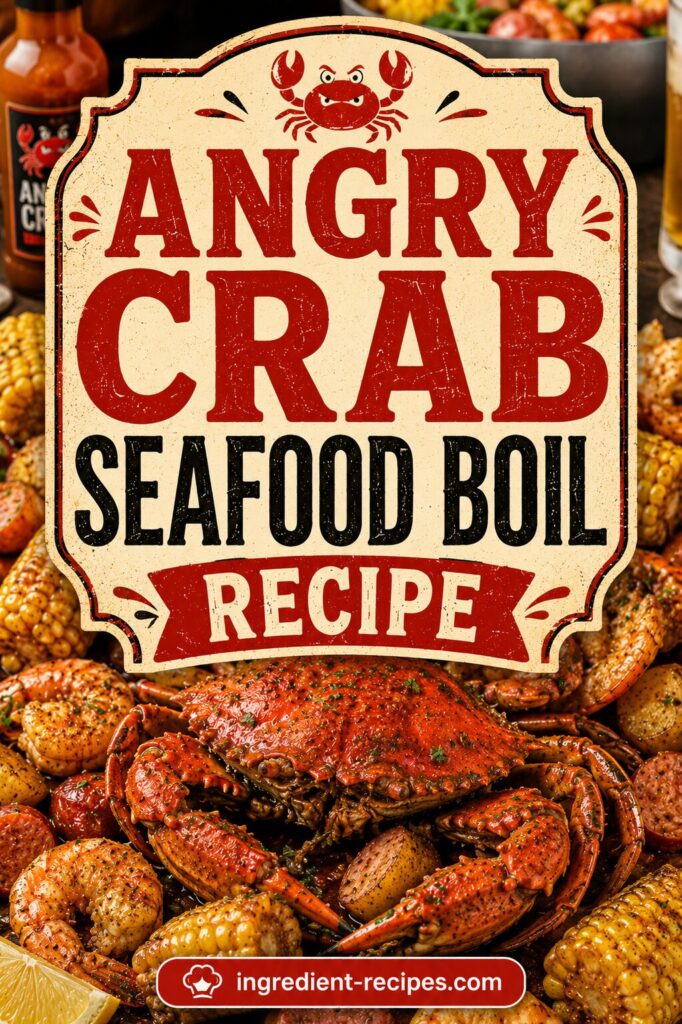
The Angry Crab Seafood Boil Recipe provides a spectacular, flavor-packed way to host an unforgettable interactive feast at home. By boiling hearty red potatoes, smoked andouille sausage, and sweet corn ahead of your delicate snow crab legs and shell-on shrimp, you ensure each element finishes cooking with an ideal texture. Whisking massive quantities of freshly minced garlic and a fiery cayenne-loaded spice blend into rich melted butter yields a thick, luscious coating that clings beautifully to every piece of shellfish. This bold, doused creation turns dinner into an exciting, hands-on event that will leave your guests happily reaching for extra napkins.
References
- To explore the cultural origins and evolution of Vietnamese-Cajun fusion cooking across America, read the culinary essays on the Wikipedia Louisiana Seafood Boil Archive.
- For specific nutritional guidelines, seafood safety practices, and crab thawing instructions, review the advice on the USDA Seafood Safety Portal.
- For additional guidance on mastering butter emulsions and blooming spices for seafood sauces, examine the cooking logs on Serious Eats Cajun Cooking Methods.


