Introduction
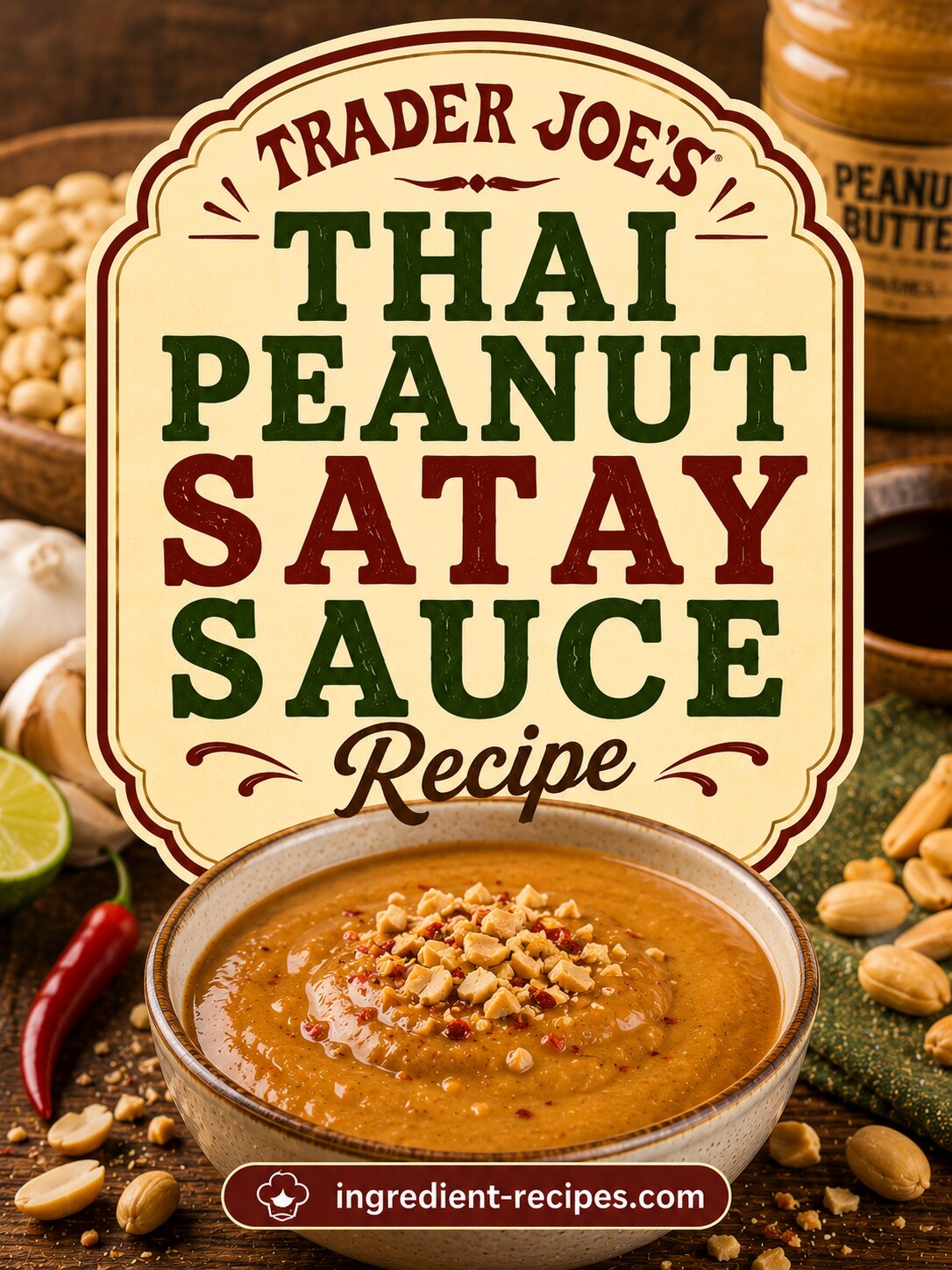
Trader Joe’s Thai Peanut Satay Sauce has quickly become a fan favorite thanks to its rich peanut flavor, creamy texture, and balanced blend of sweet, savory, tangy, and mildly spicy notes. Trader Joe’s describes the sauce as being made with coconut milk, peanuts, red curry paste, tamarind, and aromatic spices, giving it an authentic Southeast Asian-inspired flavor profile.
The sauce is incredibly versatile and can be used as a dip, marinade, salad dressing, noodle sauce, or finishing sauce for grilled meats and vegetables. Trader Joe’s customers frequently recommend serving it with chicken satay, tofu, rice bowls, stir-fries, and grilled vegetables.
This homemade copycat recipe closely recreates the creamy, nutty, slightly sweet, and mildly spicy flavor of the popular Trader Joe’s version.
Why Trader Joe’s Thai Peanut Satay Sauce Is So Popular
The sauce stands out because it offers:
- Rich peanut flavor
- Creamy coconut texture
- Mild heat
- Sweet and savory balance
- Authentic Thai-inspired ingredients
- Versatile uses
- Quick preparation
Trader Joe’s notes that the sauce works particularly well with grilled chicken, fish, tofu, noodles, and vegetables. (EatingWell)
Trader Joe’s Thai Peanut Satay Sauce Recipe Ingredients
Main Ingredients
- 1/2 cup creamy peanut butter
- 1/2 cup full-fat coconut milk
- 2 tablespoons soy sauce
- 1 tablespoon tamarind paste
- 1 tablespoon coconut sugar
- 1 tablespoon brown sugar
- 1 tablespoon rice vinegar
- 1 tablespoon fresh lime juice
- 1 tablespoon red curry paste
- 2 garlic cloves, minced
- 1 teaspoon grated fresh ginger
- 1 teaspoon sesame oil
- 1/2 teaspoon ground coriander
- 1/4 teaspoon ground cumin
- 1/4 teaspoon white pepper
- 2 to 4 tablespoons warm water
Optional Garnishes
- Chopped peanuts
- Fresh cilantro
- Lime wedges
- Red pepper flakes
Ingredient Breakdown Table
| Ingredient | Purpose |
|---|---|
| Peanut Butter | Main flavor base |
| Coconut Milk | Creamy texture |
| Red Curry Paste | Thai flavor |
| Tamarind | Tangy depth |
| Soy Sauce | Umami |
| Lime Juice | Fresh acidity |
| Garlic | Aromatic flavor |
| Ginger | Warm spice |
| Coriander | Authentic seasoning |
| Cumin | Earthy flavor |
Trader Joe’s Thai Peanut Satay Sauce Instructions and Steps
Step 1
Add peanut butter to a mixing bowl.
Step 2
Pour in coconut milk.
Step 3
Whisk until smooth.
Step 4
Add soy sauce.
Step 5
Add tamarind paste.
Step 6
Add coconut sugar and brown sugar.
Step 7
Add rice vinegar and lime juice.
Step 8
Stir in red curry paste.
Trader Joe’s lists red curry paste among the primary ingredients in the actual sauce.
Step 9
Add garlic and ginger.
Step 10
Add sesame oil.
Step 11
Add coriander, cumin, and white pepper.
These spices closely match the seasoning blend listed on the Trader Joe’s ingredient panel.
Step 12
Whisk thoroughly.
Step 13
Add warm water gradually.
Step 14
Continue whisking until smooth and pourable.
Step 15
Taste and adjust sweetness or acidity if needed.
Step 16
Serve immediately or refrigerate.
Preparation Overview
| Detail | Information |
|---|---|
| Prep Time | 10 Minutes |
| Cook Time | 0 Minutes |
| Total Time | 10 Minutes |
| Yield | About 1½ Cups |
| Difficulty | Easy |
Nutrition Information
| Nutrient | Approximate Amount Per Serving |
|---|---|
| Calories | 110 |
| Protein | 3g |
| Carbohydrates | 7g |
| Fat | 8g |
| Fiber | 1g |
| Sugar | 5g |
| Sodium | 180mg |
Values are estimates.
Essential Tips for Trader Joe’s Thai Peanut Satay Sauce
Use Full-Fat Coconut Milk
The original sauce uses coconut milk as a primary ingredient.
Use Creamy Peanut Butter
Smooth peanut butter creates the signature texture.
Add Water Gradually
This helps achieve the perfect consistency.
Use Fresh Lime Juice
Fresh citrus brightens the entire sauce.
Adjust Heat Carefully
The original sauce is flavorful but not overwhelmingly spicy.
Let the Sauce Rest
Allowing it to sit for 15 minutes helps flavors blend.
The Secret Behind Trader Joe’s Thai Peanut Satay Sauce
The ingredient label reveals several key flavor builders.
Coconut Milk
Creates richness and creaminess.
Peanuts
Provide the signature nutty flavor.
Red Curry Paste
Adds Thai-inspired complexity.
Tamarind
Provides subtle tanginess.
Lemongrass and Shallots
Present in the curry paste for authentic flavor.
Trader Joe’s ingredient list specifically mentions coconut milk, peanuts, tamarind paste, red curry paste, lemongrass, shallots, garlic, galangal, cumin, and coriander.
Best Uses for Thai Peanut Satay Sauce
Trader Joe’s customers frequently suggest using the sauce in a variety of ways.
Chicken Satay
Serve alongside grilled chicken skewers.
Rice Bowls
Drizzle over rice and vegetables.
Noodles
Toss with rice noodles or lo mein.
Stir Fry
Use as a finishing sauce.
Vegetable Dip
Serve with fresh vegetables.
Spring Rolls
Use as a dipping sauce.
Serving Ideas Table
| Dish | Why It Works |
|---|---|
| Chicken Satay | Traditional pairing |
| Tofu Skewers | Vegetarian option |
| Rice Bowls | Complete meal |
| Stir Fry | Rich flavor |
| Spring Rolls | Classic dip |
| Grilled Shrimp | Seafood pairing |
Customization and Pairing Ideas
Spicy Version
Add:
- Sriracha
- Chili garlic sauce
- Red pepper flakes
Sweeter Version
Add:
- Extra coconut sugar
- Honey
Extra Tangy Version
Add:
- More lime juice
- Additional tamarind
Pairing Suggestions
Serve with:
- Chicken satay
- Grilled shrimp
- Beef skewers
- Tofu
- Rice noodles
- Cucumber salad
Storage and Reheating
Refrigeration
Store in an airtight container for up to 7 days.
Freezing
Freeze for up to 2 months.
Reheating
Warm gently over low heat.
Thin if Necessary
Add warm water after refrigeration.
Stir Before Serving
Natural separation may occur.
Alternatives and Similar Sauces
| Original Ingredient | Substitute |
|---|---|
| Peanut Butter | Almond Butter |
| Coconut Milk | Cashew Cream |
| Tamarind Paste | Rice Vinegar |
| Soy Sauce | Tamari |
| Red Curry Paste | Panang Curry Paste |
Similar Sauces
- Indonesian Peanut Sauce
- Satay Sauce
- Gado Gado Sauce
- Thai Peanut Dressing
- Peanut Noodle Sauce
- Spicy Peanut Dip
- Coconut Peanut Sauce
Common Mistakes to Avoid
Using Chunky Peanut Butter
Smooth peanut butter produces better texture.
Adding Too Much Water
The sauce should remain creamy.
Skipping Tamarind
Tamarind adds important depth.
Using Low-Fat Coconut Milk
Full-fat coconut milk provides the best consistency.
Overheating
Excessive heat may cause separation.
What is Trader Joe’s Thai Peanut Satay Sauce made of?
Trader Joe’s lists coconut milk, peanuts, red curry paste, tamarind paste, spices, and seasonings among the primary ingredients.
Is the sauce spicy?
It has mild heat from red curry paste and chili peppers but is generally considered moderately spicy.
What foods pair best with it?
Chicken satay, grilled meats, tofu, vegetables, noodles, and rice bowls are popular choices. (Reddit)
Can I make it vegan?
Yes. This recipe is naturally vegan.
Why does my sauce become thick in the refrigerator?
Peanut butter and coconut milk naturally firm when chilled.
Can I use it as a marinade?
Yes. Trader Joe’s and customers commonly use it as a marinade for grilled meats and tofu.
Is satay sauce traditionally Thai?
Peanut satay sauces are widely used throughout Southeast Asia and commonly accompany grilled satay skewers. (Wikipedia)
Reference Links
Trader Joe’s Thai Peanut Satay Sauce Ingredients
https://www.traderjoes.com/home/products/pdp/thai-peanut-satay-sauce
Trader Joe’s Customer Discussion
https://www.reddit.com/r/traderjoes/comments/1d3k6oo/how_would_you_use_the_thai_peanut_satay_sauce/
Club Trader Joe’s Product Review
https://www.clubtraderjoes.com/trader-joes-thai-peanut-satay-sauce-review/
Summary
Trader Joe’s Thai Peanut Satay Sauce is a creamy, flavorful condiment made with coconut milk, peanuts, red curry paste, tamarind, and aromatic Southeast Asian spices. The combination creates a rich balance of sweetness, tanginess, nuttiness, and mild heat that works beautifully with grilled meats, vegetables, noodles, and rice dishes.
This homemade copycat recipe recreates the popular Trader Joe’s sauce using pantry-friendly ingredients while preserving the authentic Thai-inspired flavor profile. Whether served as a dip, dressing, marinade, or finishing sauce, it brings restaurant-quality flavor to countless meals.