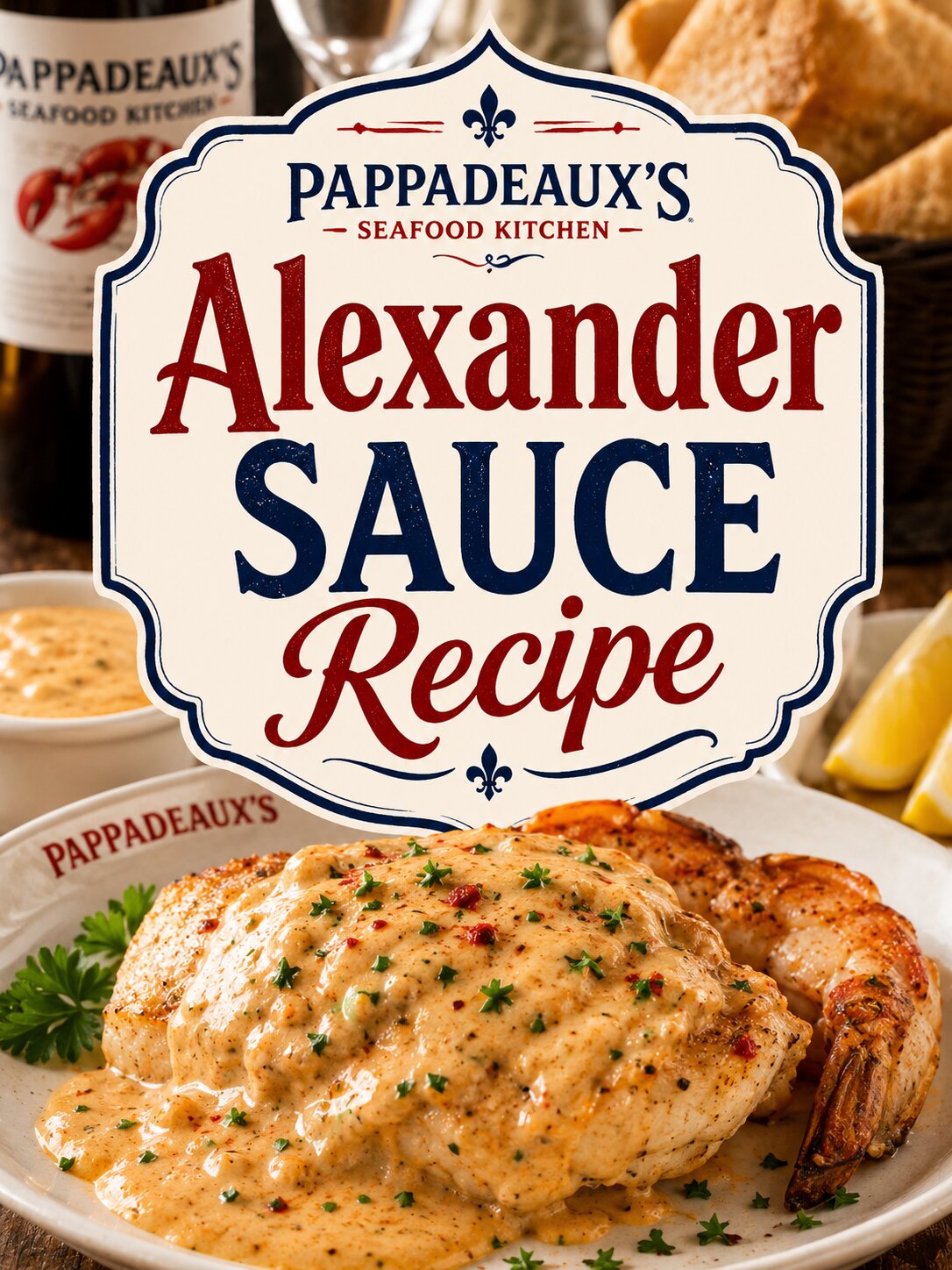
Seafood connoisseurs constantly chase after a luxurious, deeply flavorful topping that transforms fresh catches into extraordinary feasts. While mainstream restaurants often lean on simple melted butter or basic white wine reductions, legendary Southern kitchens mastered an entirely separate tier of savory luxury. The Pappadeaux’s Alexander Sauce Recipe replicates this outstanding restaurant icon, celebrated across the country for its velvety cream foundation, rich seafood undertones, and complex Cajun seasoning. This decadent topping wraps around pan-seared white fish, grilled shrimp, or blackened crawfish beautifully, creating an indulgent layer that elevates any seafood entree into a premium dining experience.
Culinary history shows that Pappadeaux Seafood Kitchen, founded by the Pappas family in Texas, revolutionized casual upscale dining by infusing traditional Louisiana Cajun flavors with sophisticated French cooking techniques. To honor classical French gastronomy while satisfying bold Southern palates, their chefs created the Alexander sauce—a brilliant variation of a rich cream reduction enriched with fresh seafood pan drippings, mushrooms, and dry white wine. This sweet and savory combination proved that heavy cream reductions could carry intense Creole spices seamlessly without overwhelming the palate. Recreating this legendary restaurant sauce in your home kitchen allows you to duplicate that authentic, velvety seafood-house magic right on your own stovetop.
Pappadeaux’s Alexander Sauce Recipe Ingredients
To build this velvety, deeply aromatic copycat restaurant topping from scratch, gather these fresh seafood elements, dairy components, and classic savory aromatics:
The Seafood and Aromatic Foundation
- 1/2 pound medium shrimp (peeled, deveined, and chopped into bite-sized pieces)
- 1/2 cup fresh white button mushrooms, thinly sliced
- 4 tablespoons unsalted butter (split into two equal portions)
- 2 shallots, finely minced
- 2 cloves garlic, finely minced
The Liquid Reduction and Cream Base
- 1/2 cup dry white wine (select a crisp variety like Sauvignon Blanc or Pinot Grigio)
- 1 and 1/2 cups heavy whipping cream (essential for achieving the signature velvety texture)
- 1/2 cup rich seafood stock or clam juice (deepens the oceanic flavor profile)
The Spices and Seasoning Enhancers
- 1 teaspoon high-quality Cajun or Creole seasoning blend
- 1/2 teaspoon onion powder
- 1/4 teaspoon smoked paprika (introduces a gorgeous golden hue)
- 1/4 teaspoon kosher salt
- 1/4 teaspoon freshly cracked black pepper
- 2 tablespoons fresh Italian parsley, finely chopped (for a bright finish)
Pappadeaux’s Alexander Sauce Instructions and Steps
Step 1: Sautéing the Mushrooms and Aromatics
Melt two tablespoons of the unsalted butter in a large skillet over medium heat until it foams softly. Drop the sliced white button mushrooms and minced shallots directly into the warm butter, sautéing them for 4 to 5 minutes until the mushrooms turn golden brown and the shallots become soft and translucent. Stir in the minced garlic and cook for an additional 60 seconds until a rich aroma fills your kitchen.
Step 2: Searing the Chopped Shrimp
Add the chopped shrimp pieces directly into the hot skillet with the aromatics. Season the mixture with a half-teaspoon of the Cajun seasoning blend, tossing continuously for 2 to 3 minutes just until the shrimp pieces turn pink and opaque. Promptly transfer the shrimp and mushroom mixture onto a clean plate, leaving the flavorful juices behind in the skillet.
Step 3: Reducing the White Wine Base
Pour the dry white wine directly into the empty, hot skillet to deglaze the cooking surface. Use a wooden spoon to scrape up all the flavorful, caramelized brown bits stuck to the bottom of the pan. Bring the wine to a steady simmer over medium-high heat, allowing the liquid to boil down until it reduces by half, which concentrates the rich fruit acids and cooks off the sharp alcohol vapors.
Step 4: Simmering the Seafood Cream Matrix
Slowly pour the heavy whipping cream and rich seafood stock into the reduced wine while whisking steadily. Stir in the remaining Cajun seasoning, onion powder, smoked paprika, kosher salt, and cracked black pepper. Reduce the stovetop heat to medium-low and let the sauce simmer gently for 8 to 10 minutes, stirring frequently with a wooden spoon until the liquid reduces into a thick, velvety cream coat.
Step 5: Emulsifying the Final Sauce
Turn the stovetop heat down to your lowest setting. Cut the remaining two tablespoons of cold unsalted butter into small cubes and drop them into the warm cream sauce, swirling the pan gently until the butter melts and incorporates completely. This classic technique creates a glossy finish and stabilizes the delicate dairy emulsion.
Step 6: Combining and Finishing
Dump the cooked shrimp, mushrooms, and any accumulated plate juices back into the velvety cream base. Simmer the combined ingredients gently for 1 to 2 minutes just until the seafood warms through completely. Remove the skillet from the burner, stir in the fresh chopped Italian parsley, and spoon the luxurious sauce immediately over your favorite grilled or blackened fish fillets.
Essential Tips for Pappadeaux’s Alexander Sauce
- Keep the Butter Cold for Finishing: Ensure the final two tablespoons of butter remain ice-cold right until you drop them into the sauce. Whisking cold butter into a hot, reduced cream liquid creates a smooth, glossy glaze that will not separate into an oily sheen.
- Avoid Cooking Over High Heat: Never allow the heavy cream base to boil vigorously over high heat. Intense heat fractures dairy proteins instantly, which turns your smooth restaurant copycat reduction into a grainy, broken liquid.
- Select the Right White Wine: Stick strictly to crisp, dry white wines like Pinot Grigio or Sauvignon Blanc. Avoid utilizing sweet dessert wines like Riesling or Moscato, as their high sugar content will ruin the savory, spicy balance of the Cajun sauce.
Sauce Architecture and Flavor Matrix
This structural grid outlines the operational purpose and sensory contribution of each flavor tier within the copycat restaurant reduction:
| Sauce Component | Primary Material | Technical Purpose | Final Sensory Result |
| Aromatic Base | Minced Shallots and Garlic | Establishes the savory depth | Rich, earthy fragrance that anchors the dish |
| Acidic Reducer | Dry White Wine | Cuts through heavy dairy fats | Bright, clean backend notes that cleanse the palate |
| Body and Texture | Heavy Whipping Cream | Binds and suspends the seasonings | Velvety, luxurious, coat-the-spoon mouthfeel |
| Flavor Enhancer | Seafood Stock and Shrimp | Delivers rich umami characteristics | Deep, savory, authentic coastal seafood profile |
Customization and Pairing Ideas
- The Ultimate Crawfish Upgrade: Substitute the chopped shrimp entirely with an equal amount of tender, pre-cooked Louisiana crawfish tails to capture a heavier bayou profile.
- The Spicy Diablo Variation: Whisk a half-teaspoon of cayenne pepper and a dash of hot Louisiana pepper sauce into the cream reduction to elevate the heat level for a bold spicy kick.
- Pairing Selections: Spoon this decadent cream sauce over pan-seared Atlantic salmon, blackened redfish, grilled chicken breasts, or a bed of tender fettuccine noodles. It pairs spectacularly with upscale Southern sides like dirty rice, garlic spinach, or hot buttered French bread. For drinks, enjoy this rich meal with a cold glass of crisp Chardonnay, a refreshing sweet iced tea, or a sparkling lemon water mocktail.
Storage and Reheating
Keeping Leftovers Safe
Allow any remaining Alexander sauce to cool down completely to room temperature. Transfer the cream mixture into an airtight glass storage jar or plastic container and seal the lid tightly. Keep the container stored in your refrigerator, where it will remain fresh and delicious for up to two days. Freezing is not recommended, as the intense cold will cause the heavy cream fats to separate and turn watery upon thawing.
Reheating to Restore the Velvety Texture
Cream sauces can stiffen into a dense paste as they chill in the refrigerator. To reheat a portion successfully without breaking the delicate emulsion, scoop the sauce into a small saucepan, splash in two tablespoons of extra milk or seafood stock to loosen the texture, and warm it over low heat for 5 to 7 minutes while stirring continuously.
Alternatives, Substitutes, and Similar Dishes
- Classic New Orleans Cream Sauce: A similar cream reduction that highlights a heavier touch of Worcestershire sauce, fresh green onions, and blackened seasonings.
- French White Wine Mornay Sauce: A classical European alternative that utilizes a butter roux and shredded Gruyere cheese to coat proteins, skipping the seafood elements completely.
- Cajun Seafood Tasso Gravy: A rustic bayou option that substitutes the heavy whipping cream with a dark flour roux and smoky Tasso ham bits simmered in chicken stock.
Why did my cream sauce split and turn oily?
Separation happens if you let the heavy cream boil too violently or if you add warm butter instead of cold butter at the very end. Simply remove the pan from the heat and whisk in a teaspoon of cold heavy cream vigorously to restore the emulsion.
Can I utilize bottled lemon juice instead of white wine?
Bottled lemon juice is far too acidic to replace the wine directly. If you want to skip the alcohol entirely, substitute the white wine with a half-cup of low-sodium chicken broth mixed with a single teaspoon of fresh lemon juice.
What types of mushrooms work best for this recipe?
Standard white button mushrooms or baby bella cremini mushrooms work beautifully for this sauce. They offer a mild, earthy background flavor that complements the sweet shrimp without overpowering the dish.
Is this restaurant-style topping safe for a gluten-free diet?
Yes, this copycat recipe avoids the use of flour thickenings entirely, relying instead on the natural reduction of heavy cream, which makes the entire sauce completely safe for gluten-free diets.
Can I prepare this sauce ahead of time for a dinner party?
You can sauté the shrimp and mushrooms a few hours early, but simmer and finish the actual cream reduction right before serving to guarantee the most luxurious, velvety texture possible.
Summary
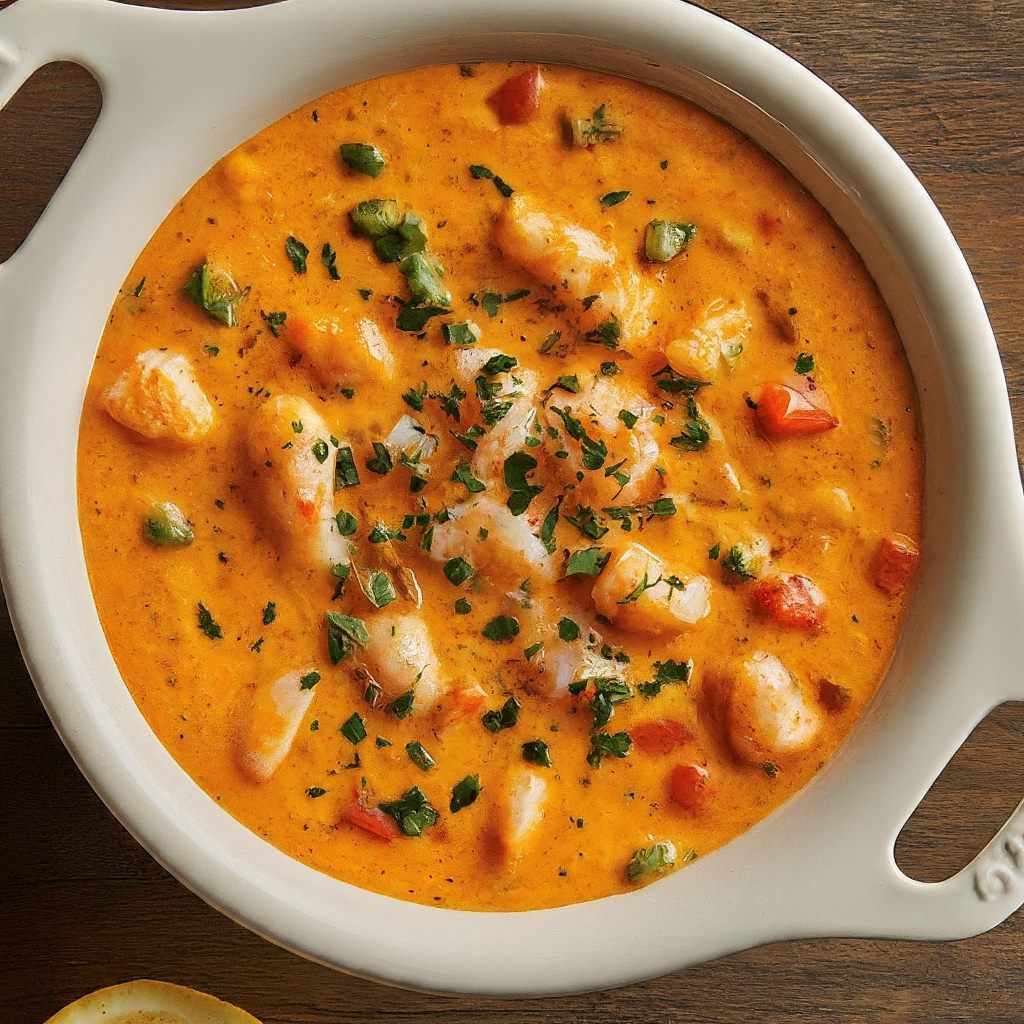
The Pappadeaux’s Alexander Sauce Recipe provides an incredibly satisfying, straightforward way to recreate a premium seafood-house masterpiece directly on your kitchen stovetop. Sautéing fresh mushrooms, shallots, and garlic in creamy butter establishes an incredibly aromatic flavor foundation before you sear the seasoned shrimp pieces. Reducing crisp dry white wine in the pan eliminates sharp alcohol notes while concentrating the vital fruit acids that cut through the rich dairy fats. Simmering this mixture with heavy cream and seafood stock yields a magnificent, thick reduction, while a final touch of cold butter creates a glossy, professional finish that transforms any standard piece of grilled fish into an unforgettable Louisiana feast.
Recipe Video:
While there isn’t an official video recipe directly linked to Pappadeaux, numerous online resources offer video demonstrations of similar Cajun or Creole seafood sauce recipes. Search for terms like “Cajun seafood sauce recipe” or “Creole cream sauce recipe” to find video guides that visually walk you through the preparation process.
References
- To browse current upscale menu options, seasonal catches, and restaurant location updates, visit the Pappadeaux Seafood Kitchen Portal.
- For comprehensive culinary information regarding classical French reduction methods and dairy fat stabilization, review the guides on the Serious Eats Cream Sauce Science Archive.
- To explore authentic flavor balancing techniques and history regarding Gulf Coast cooking, check out the resources on the Southern Foodways Alliance Portal.