
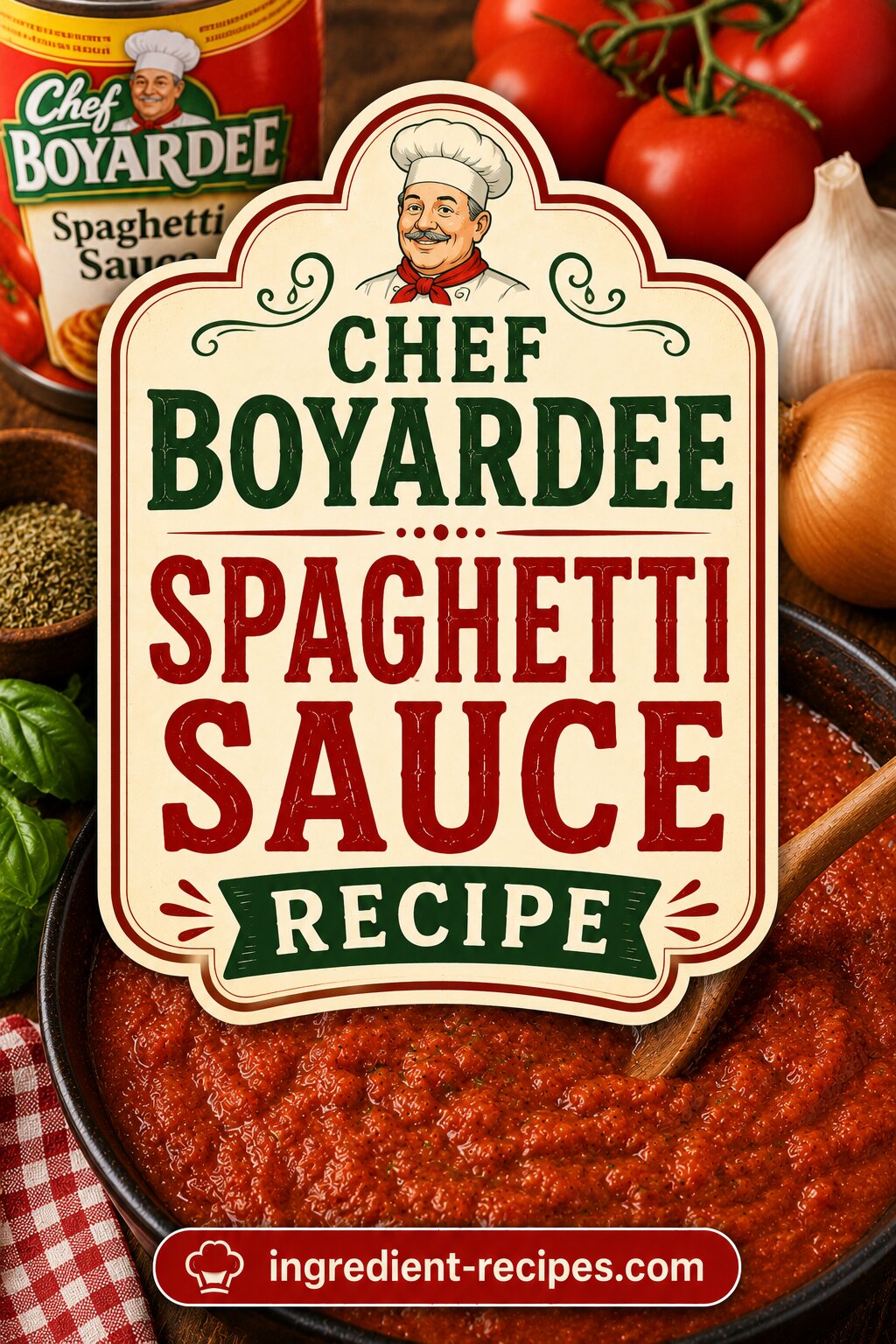
Generations of busy families appreciate a reliable, comforting pasta meal that comes together in a matter of minutes. While fine-dining Italian restaurants highlight chunky, garlic-forward marinara blends, vintage American grocery shelves defined an entirely separate comfort food landscape. The Chef Boyardee Spaghetti Sauce Recipe replicates this historic processed staple, celebrated for its smooth consistency, sweet undertones, and exceptionally mild herb profile. This smooth, velvety red sauce coats noodles effortlessly, evoking deep childhood nostalgia with its signature sweet and savory balance.
Food manufacturing historians trace the roots of this iconic brand back to Hector Boiardi, a skilled Italian chef who opened a popular restaurant in Cleveland, Ohio during the late 1920s. Customers loved his signature sweet pasta toppings so much that they frequently requested portions packed in milk bottles to take home.
This massive localized success prompted Boiardi to pioneer factory-canned Italian meals, changing the spelling of his last name so American supermarket shoppers could pronounce it easily. The recipe relied heavily on smooth tomato purees and mild seasonings to suit mid-century American palates. Crafting this vintage copycat formula in your kitchen allows you to bypass the preservatives while retaining that classic, soothing pantry flavor.
Chef Boyardee Spaghetti Sauce Recipe Ingredients
To build this smooth, nostalgic American-Italian comfort sauce from scratch, gather these simple pantry purees, sweet elements, and fine powder spices:
The Smooth Tomato Foundation
- 1 can (15 ounces) smooth tomato sauce (choose a plain, non-seasoned brand)
- 1 can (6 ounces) concentrated tomato paste (provides the essential deep red color and thick body)
- 1 and 1/2 cups filtered water (to thin the paste down to a velvety consistency)
The Sweet and Savory Flavor Enhancers
- 2 tablespoons white granulated sugar (the crucial element that replicates the signature sweet style)
- 1 tablespoon high-quality lard or vegetable shortening (essential for recreating the distinct mouthfeel of the vintage canned formula)
- 1 teaspoon Worcestershire sauce (adds a secret backend umami kick)
The Fine Seasoning Blend
- 1/2 teaspoon onion powder
- 1/2 teaspoon garlic powder
- 1/4 teaspoon ground celery seed (the hidden herbal notes that mimic the commercial canned aroma)
- 1/4 teaspoon kosher salt
- 1/8 teaspoon citric acid powder (optional, provides that distinct commercial can tang)
Chef Boyardee Spaghetti Sauce Instructions and Steps
Step 1: Melting the Fat Base
Place a medium saucepan or deep skillet over medium-low heat on your stovetop. Drop the tablespoon of lard or vegetable shortening directly into the pan, letting it melt completely until it forms a clear, shimmering pool across the bottom of the cookware.
Step 2: Incorporating the Concentrated Paste
Spoon the tomato paste into the melted fat. Sauté the concentrated paste for 2 to 3 minutes, stirring continuously with a wooden spoon. This quick frying technique caramelizes the natural sugars in the tomatoes, removing the raw metallic taste often found in canned products.
Step 3: Whisking the Liquids and Purees
Pour the plain tomato sauce and the filtered water slowly into the pan while whisking vigorously to break up the caramelized paste. Continue whisking until the liquids merge into a completely smooth, uniform, lump-free red sauce matrix.
Step 4: Adding the Sweetness and Fine Spices
Sprinkle the granulated sugar, onion powder, garlic powder, ground celery seed, kosher salt, and optional citric acid directly over the bubbling liquid. Stir in the Worcestershire sauce, ensuring the dry powders dissolve evenly into the warm tomato mixture without forming small clumps.
Step 5: Executing the Low Simmer
Turn the stovetop heat down to your lowest setting. Cover the saucepan loosely with a lid to prevent splattering, and let the mixture simmer gently for 25 to 30 minutes. Stir the sauce every few minutes to prevent the heavy tomato starches from sticking or scorching on the bottom of the pan. The sauce will thicken slightly and develop a glossy, vintage sheen.
Essential Tips for Chef Boyardee Spaghetti Sauce
- Always Choose Fine Powders: Avoid utilizing fresh minced onions, fresh chopped garlic, or leafy green herbs like fresh basil for this specific recipe. The classic commercial profile requires a completely smooth, non-chunky texture, which you can only achieve by using dehydrated powder spices.
- Do Not Skimp on the Sugar: Remember that this formula replicates an old-school canned American product rather than an authentic Italian ragu. The high sugar content is non-negotiable because it balances the heavy acidity of the tomato paste to deliver that specific childhood flavor.
- Incorporate the Lard or Shortening: Skipping the fat element will leave the sauce tasting thin and overly acidic. Real lard or vegetable shortening coats the tongue cleanly, mimicking the exact mouthfeel and rich texture of the vintage canned recipe.
Ingredient Architecture and Texture Ratios
This analytical grid highlights the operational purpose and sensory contributions of each ingredient tier within the retro-style pasta sauce:
| Ingredient Category | Component Example | Operational Purpose | Final Sensory Result |
| Thickening Body | Concentrated Tomato Paste | Builds the deep red color density | Rich, coating, and heavy sauce base |
| Acid Balancer | White Granulated Sugar | Neutralizes sharp vegetable tartness | Signature sweet, kid-friendly profile |
| Texture Mimic | Lard or Shortening | Coats the starches uniformly | Smooth, velvety, classic canned mouthfeel |
| Secret Botanical | Ground Celery Seed | Mimics mass-manufacturing aromatics | Distinct mid-century grocery store aroma |
Customization and Pairing Ideas
- The Nostalgic Meatball Addition: To transform this into a hearty meal, roll lean ground beef and pork crumbs into small, marble-sized meatballs. Simmer the mini meatballs directly inside the red sauce during the final 15 minutes of cooking.
- The Cheesy Baked Casserole Twist: Toss the completed sauce with cooked spaghetti noodles, dump the mixture into a baking dish, cover the top generously with processed American cheese slices, and bake until bubbly.
- Pairing Selections: Pour this sweet sauce over traditional spaghetti noodles, tender macaroni elbows, or cheese-stuffed ravioli. It pairs wonderfully with classic school-cafeteria sides like buttery garlic toast, soft dinner rolls, or crispy iceberg lettuce salad tossed with creamy French dressing. For drinks, serve this alongside a cold glass of milk, fruit punch, or a classic root beer float.
Storage and Reheating
Keeping the Sauce Fresh
Cool the completed sweet tomato sauce entirely to room temperature before packing it away. Transfer the red liquid into an airtight glass jar or plastic container and seal the lid tightly. Keep the container stored in your refrigerator, where it will remain fresh and tasty for up to five days.
Reheating to Restore Smoothness
Tomato sauces can thicken up significantly as they chill. To reheat a portion successfully, pour the sauce into a small saucepan, splash in two tablespoons of warm water to loosen the starches, and warm it over low heat for 5 to 7 minutes while stirring frequently to restore the glossy, smooth emulsion.
Alternatives, Substitutes, and Similar Dishes
- Classic American Neapolitan Sauce: A similarly smooth, mild tomato sauce that skips the heavy sugar but highlights a touch of butter and dried oregano.
- Homemade Franco-American Copycat: A sweet, thin tomato-and-cheese sauce variation designed specifically to coat canned-style spaghetti rings.
- Sweet Filipino Spaghetti Sauce: A vibrant, highly sweet pasta topping that incorporates banana ketchup, brown sugar, and sliced red hot dogs over noodles.
Why does my copycat sauce taste too metallic?
A sharp metallic taste usually comes from cheap canned tomato paste that has not been properly cooked out. Always sauté your tomato paste in the melted lard for a few minutes before adding water to break down those metallic tin notes.
Can I substitute honey or maple syrup for the white sugar?
Honey and maple syrup introduce strong, distinct floral and earthy flavors that will clash with the tomato base. To keep the flavor profile identical to the Chef Boyardee standard, stick strictly to plain white granulated sugar.
Is this smooth spaghetti sauce safe to freeze?
Yes, this sauce freezes beautifully because it does not contain delicate dairy emulsions. Pour the cooled sauce into heavy-duty freezer bags, push out the excess air, and freeze it flat for up to three months.
How do I add a meat flavor without making the sauce chunky?
If you want a deep meat flavor while preserving the completely smooth texture, stir a half-teaspoon of beef bouillon powder or clear beef broth concentrate into the liquid during the spice step.
What can I use if I cannot find citric acid powder?
If you lack citric acid powder but still want to replicate that distinct commercial canned brightness, simply squeeze a half-teaspoon of fresh lemon juice into the pot right before you turn off the stovetop burner.
Summary
The Chef Boyardee Spaghetti Sauce Recipe offers a simple, incredibly nostalgic way to bring a beloved mid-century grocery classic straight to your family dinner table. Sautéing concentrated tomato paste in melted lard or shortening eliminates raw canning notes while establishing a rich, velvety mouthfeel that coats pasta beautifully.
Blending this smooth base with plain tomato sauce, water, and a generous portion of white sugar perfectly neutralizes vegetable acidity to deliver that iconic sweet profile. A gentle thirty-minute simmer with garlic powder, onion powder, and ground celery seed allows the flavors to mature completely, yielding a glossy, kid-friendly comfort sauce that pairs beautifully with spaghetti noodles or mini meatballs.
References
- To explore current commercial ingredient listings, manufacturing history updates, and modern product listings, visit the Conagra Brands Chef Boyardee Portal.
- For detailed historical information regarding Hector Boiardi’s culinary career and his impact on American food canning methods, check the summaries on the Encyclopedia of Cleveland History.
- To learn more about the chemistry of tomato paste caramelization and starch stabilization in red sauces, review the food science guides on the Serious Eats Tomato Science Archive.