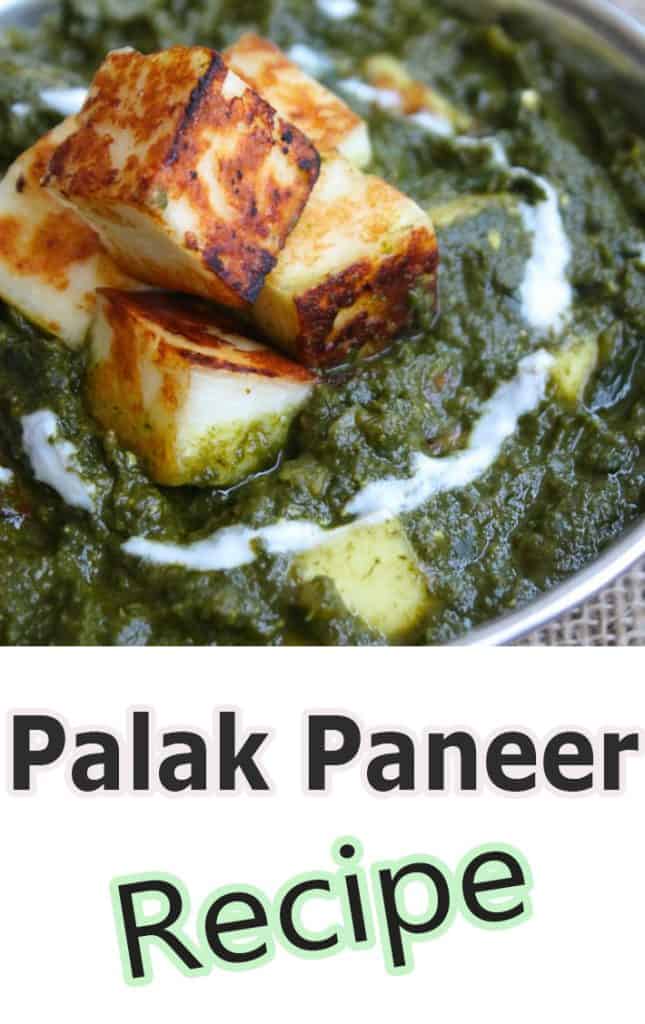
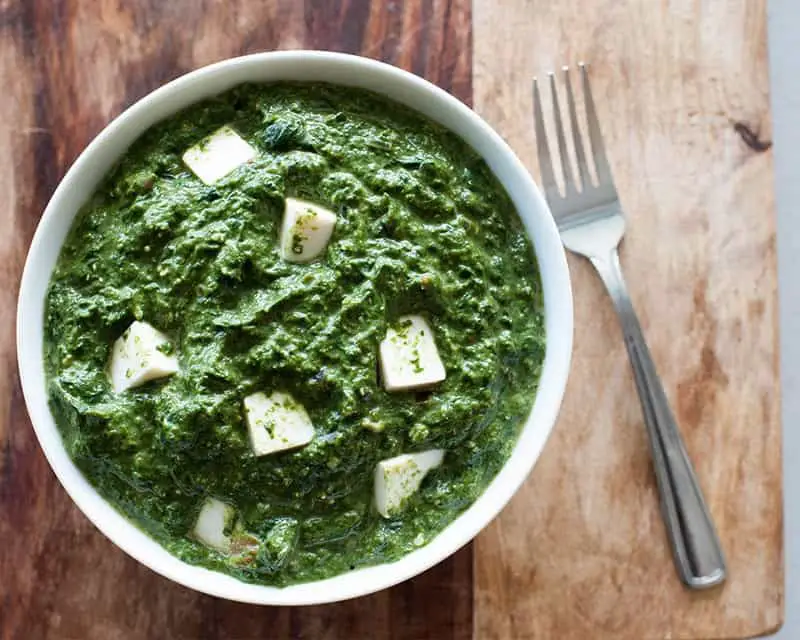
Palak paneer (palak paneer recipe) is one of the most popular dishes from Indian cuisine and among the most famous vegetarian recipes around the world. It’s made with spinach, paneer, and a variety of spices and herbs. The dish is usually served over rice or with roti/paratha, and goes great with naan or any other kind of flatbreads or Indian breads like bhatura and lachha paratha.
Introduction
Palak Paneer is arguably one of the most celebrated vegetarian dishes to emerge from the Indian subcontinent, serving as a cornerstone of North Indian culinary heritage. The dish marries fresh, vibrant spinach puree (palak) with cubes of unaged, dense Indian cottage cheese (paneer), simmered alongside aromatic spices, ginger, garlic, and onions.
Historically, Palak Paneer traces its roots back to the Punjab region, an agricultural heartland famed for its abundant leafy green crops and rich dairy production. It represents a refined evolution of saag, a rustic, slow-cooked preparation of wild mustard greens and mixed herbs traditionally eaten by farmers. Over time, as royal kitchens and urban centers refined regional home cooking, the robust mustard greens were frequently swapped for smooth spinach, and delicate paneer was introduced to add texture and a luxurious element.
Beyond its deep cultural footprint, Palak Paneer is highly regarded for its nutritional profile. It serves as an excellent vehicle for dietary iron, vitamins A, C, and K, and essential minerals from the spinach, while the paneer contributes high-quality vegetarian protein and calcium, making it a balanced, wholesome centerpiece for any meal.
What is Palak?
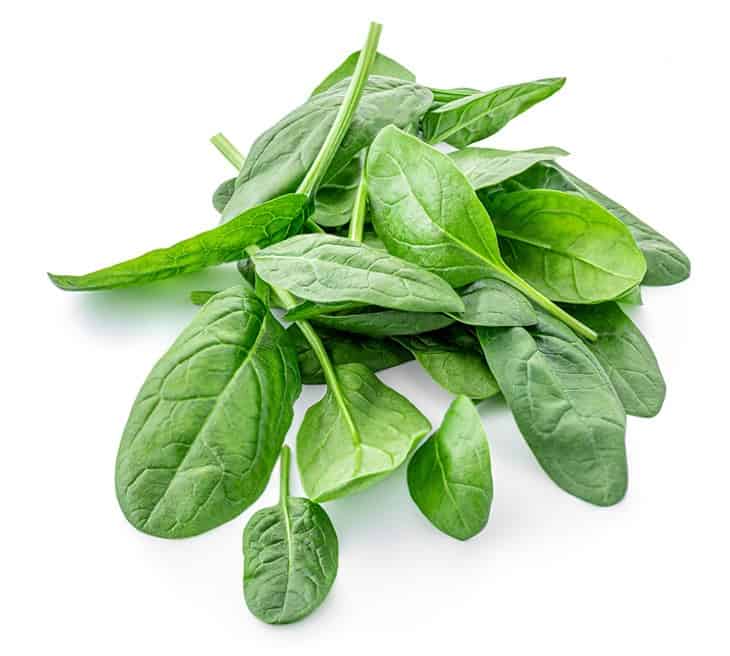
Palak, also known as spinach, is a leafy green vegetable. It has numerous benefits including improving blood health and treating diabetes. – WebMD Researchers have found that eating foods rich in vitamin A may help prevent breast cancer among women at high risk for the disease.
What Is Paneer?
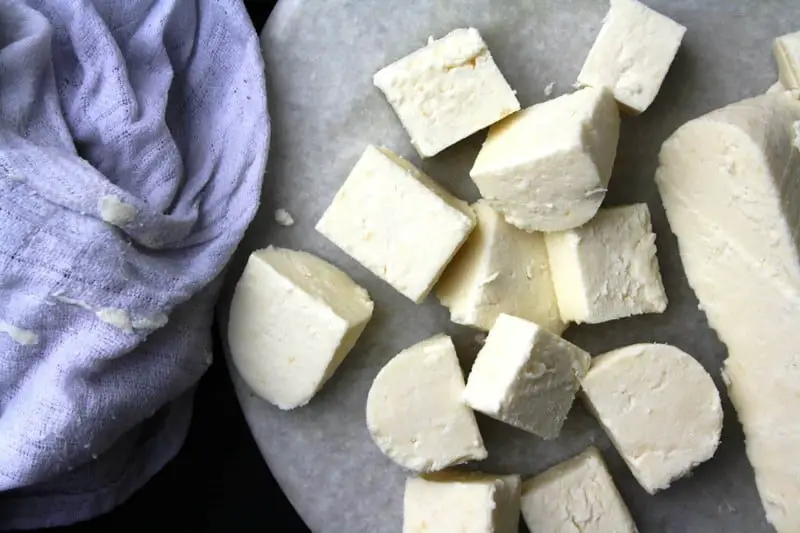
Paneer is a sort of cheddar produced using coagulated milk. When it’s young, it’s soft enough to cut with a fork.
Palak Paneer Recipe Ingredients
To create an authentic, vibrant green Palak Paneer, you will need the following fresh ingredients and spices, divided by component.
For Blanching the Spinach
- 500 grams fresh spinach leaves (roughly 2 large bunches), stems removed and thoroughly washed
- 4 cups water (for boiling)
- 4 cups ice water (for shocking the leaves)
- 1/2 teaspoon sugar (the secret to retaining a bright green color)
For the Gravy Base and Spices
- 200 grams paneer, cut into 1-inch cubes
- 2 tablespoons ghee or a neutral cooking oil
- 1 teaspoon cumin seeds
- 1 large yellow onion, ultra-finely diced
- 1 tablespoon ginger-garlic paste (or 3 cloves garlic and 1-inch ginger, minced together)
- 2 small green chilies (such as Thai or Serrano), finely chopped
- 1 large tomato, finely puréed
- 1 teaspoon coriander powder
- 1/2 teaspoon turmeric powder
- 1/2 teaspoon Kashmiri red chili powder
- 1/2 teaspoon garam masala powder
- 1/2 teaspoon salt (adjust to taste)
- 2 tablespoons heavy cream (or fresh malai)
- 1/2 teaspoon dried fenugreek leaves (kasuri methi), crushed between palms
Palak Paneer Instructions and Steps
Follow these sequential steps precisely to keep your spinach bright green and your paneer perfectly tender.
Step 1: Blanching the Spinach
Bring 4 cups of water to a rolling boil in a large pot. Stir in 1/2 teaspoon of sugar. Drop the cleaned spinach leaves into the boiling water and submerge them completely using a slotted spoon. Blanch the leaves for exactly 2 minutes. Do not overcook them, or the chlorophyll will break down and turn the spinach a dull army-green.
Step 2: Shocking and Pureeing
While the spinach is boiling, prepare a large bowl filled with cold water and ice cubes. Immediately drain the blanched spinach and plunge the hot leaves into the ice bath. Leave them for 2 minutes to stop the residual cooking process instantly. Drain the cold spinach thoroughly and transfer it to a blender. Blend into a completely smooth, velvety green paste without adding extra water. Set it aside.
Step 3: Searing the Paneer (Optional)
Heat 1 tablespoon of ghee or oil in a wide skillet over medium heat. Add the paneer cubes and sear them for 1 to 2 minutes, turning gently, until the edges show a light golden tint. Remove the cubes immediately and drop them into a bowl of warm water. This prevents the paneer from turning rubbery or dry. If you prefer soft, un-seared paneer, skip this step and use the cubes fresh.
Step 4: Building the Aromatic Base
In the same skillet, add the remaining tablespoon of ghee. Once hot, drop in the cumin seeds and let them sizzle for 10 seconds. Add the finely diced onions and cook over medium heat for 5 to 6 minutes, stirring frequently, until they turn a light golden brown. Stir in the ginger-garlic paste and chopped green chilies, sautéing for another 60 seconds until the raw smell disappears.
Step 5: Cooking the Tomatoes and Spices
Pour the tomato purée into the skillet. Add the coriander powder, turmeric powder, Kashmiri red chili powder, and salt. Stir well and cook the mixture for 5 to 7 minutes over medium-low heat until the moisture evaporates and the ghee begins to separate from the sides of the masala paste.
Step 6: Simmering the Spinach Gravy
Turn the heat down to low and pour the blended spinach purée into the skillet. Mix the spinach thoroughly with the cooked spice base. If the gravy appears too thick, add 1/4 cup of water. Cover the pan with a lid and let it simmer gently for 3 to 4 minutes. Do not cook it on high heat or for an extended period, as this darkens the green color.
Step 7: Incorporating Paneer and Finishing
Gently stir in the paneer cubes (drained from the warm water). Add the garam masala powder, crushed kasuri methi, and 2 tablespoons of heavy cream. Stir with a light hand to avoid breaking the delicate paneer cubes. Simmer uncovered for 1 final minute to let the paneer absorb the flavors. Turn off the heat and transfer the dish to a serving bowl.
Essential Tips for Palak Paneer
- The Ice Bath Technique: Never skip shocking the blanched spinach in ice-cold water. This locks in the vibrant green hue. If you let the spinach cool down naturally on the counter, it will turn a dark, brownish-green.
- Keep the Lid Off at the End: Avoid covering the pan for a long time once the spinach puree is added. Trapping the steam can cause volatile plant acids to condense and discolor the green sauce.
- The Soft Paneer Trick: If your store-bought paneer feels dense or firm, soaking the cubes in warm, lightly salted water for 10 minutes before adding them to the gravy will make them incredibly soft and melt-in-the-mouth.
- Mind the Spices: Palak Paneer shines when it tastes fresh and herbaceous. Avoid overloading the dish with heavy spices like cloves, cinnamon, or excessive red chili powder, which mask the delicate flavor of the spinach.
Customization and Pairing Ideas
Palak Paneer is highly adaptable and pairs naturally with a variety of Indian flatbreads and rice dishes:
- The Traditional Bread Pairing: Serve it piping hot alongside garlic naan, butter tandoori roti, or flaky laccha paratha. The char and chew of these breads match the creamy texture of the gravy beautifully.
- The Rice Option: It pairs elegantly with fragrant basmati rice, jeera (cumin) rice, or a light vegetable pilaf.
- Leoni Dhabha Style Twist: For a smoky, restaurant-style finish, perform a secondary tempering (tadka). Heat a teaspoon of ghee, fry thin slivers of garlic and dried red chilies until golden, and pour this over the finished dish right before serving.
Storage and Reheating
- Refrigeration: Store any leftover Palak Paneer in an airtight glass container in the refrigerator for up to 3 days. Glass is preferred over plastic, as spinach can occasionally leave faint stains.
- Freezing: You can freeze the spinach gravy base (before adding the paneer and cream) for up to 2 months. Thaw it overnight in the fridge, heat it through, and add fresh paneer and cream right at the end. Freezing fully assembled Palak Paneer can cause the paneer to become spongy and the cream to split upon thawing.
- Reheating: Reheat the dish in a saucepan over low heat. Add a tablespoon of milk or water to loosen the gravy, as it naturally thickens when cold. Stir gently to avoid breaking the paneer cubes. Avoid overheating or boiling, as this will degrade the color and taste.
Alternatives, Substitutes, and Similar Dishes
If you have dietary restrictions or want to explore similar flavor profiles, consider these simple variations:
- Tofu (Vegan Alternative): Swap the paneer cubes out for extra-firm tofu. To maximize flavor, pan-sear the tofu cubes with a pinch of turmeric and salt before adding them to the spinach gravy. Replace the heavy cream with coconut cream or cashew paste.
- Aloo Palak (Potato Variation): If you do not have paneer on hand, boiled and lightly pan-fried potato cubes (aloo) make a fantastic substitute, turning the dish into a comforting, rustic everyday meal.
- Palak Corn: Another popular North Indian restaurant variation where sweet corn kernels are simmered in the identical spiced spinach gravy, providing a delightful sweet crunch against the savory green base.
Queries and FAQs
Why does my Palak Paneer taste bitter sometimes?
Bitterness usually happens if the spinach is overcooked during the blanching process or if you blend mature, thick spinach stems into the paste. Stick to a 2-minute blanch, discard the tough stems, and ensure your onions are cooked until sweet and golden to balance the natural mineral notes of the spinach.
Is it necessary to fry the paneer before adding it?
No, it is entirely optional. Frying creates a golden crust that helps the cubes hold their shape well if you are hosting a party and stirring the pot frequently. However, adding raw, unfried paneer cubes yields a much softer, traditional texture that absorbs the gravy beautifully.
Can I use frozen spinach instead of fresh?
Yes. If using frozen spinach, thaw it completely and squeeze out any excess water before blending it into a puree. Skip the blanching step entirely, as frozen spinach is already blanched before packaging.
How can I make the gravy creamy without using heavy cream?
If you want a lighter alternative to heavy cream, you can blend 8 to 10 soaked cashews with a little water into a smooth paste and stir it into the gravy. Alternatively, whisked plain yogurt or a splash of whole milk added on low heat works well.
Is Palak Paneer healthy for a weight-loss diet?
Yes, it can be exceptionally healthy. To lower the calorie count for a fitness-focused diet, use low-fat paneer (or tofu), minimize the oil or ghee to one teaspoon, and substitute the heavy cream with a dollop of low-fat Greek yogurt at the very end.
Summary
Palak Paneer is a quintessential North Indian dish that turns simple, nutrient-dense spinach into a luxurious comfort food. By mastering the core techniques of quick blanching, cold-shocking, and gentle simmering, you can easily replicate a vibrant green, restaurant-quality gravy at home. Paired with soft paneer cubes and warm flatbread, it offers a beautifully balanced, protein-rich vegetarian meal that holds a timeless spot on dinner tables around the world.